Disposable Changing Pads: Where Parents Use Them Most
Disposable Changing Pads: Where Parents Use Them Most
Quick answer: Parents use disposable changing pads anywhere they want a soft, clean layer between their baby and the changing surface. The most common places include nursery changing tables, beds, couches, daycare spaces, car interiors, stroller areas, travel stops, and public washroom changing stations.
Diaper changes happen in real life, not just in a perfectly stocked nursery. A baby may need a change during errands, before daycare pickup, in the car, while visiting family, or on a surface that is clean enough for adults but not ideal for a diaper change. Disposable changing pads give parents a simple way to protect the surface and create a more organized start to the routine.
Why Parents Keep Disposable Changing Pads Close
A changing pad does one clear job: it helps create a clean layer before the diaper change begins. In the KidEasy Clean Change Routine, that is the first step: protect the surface, then clean gently, add a dry step, and diaper fresh.
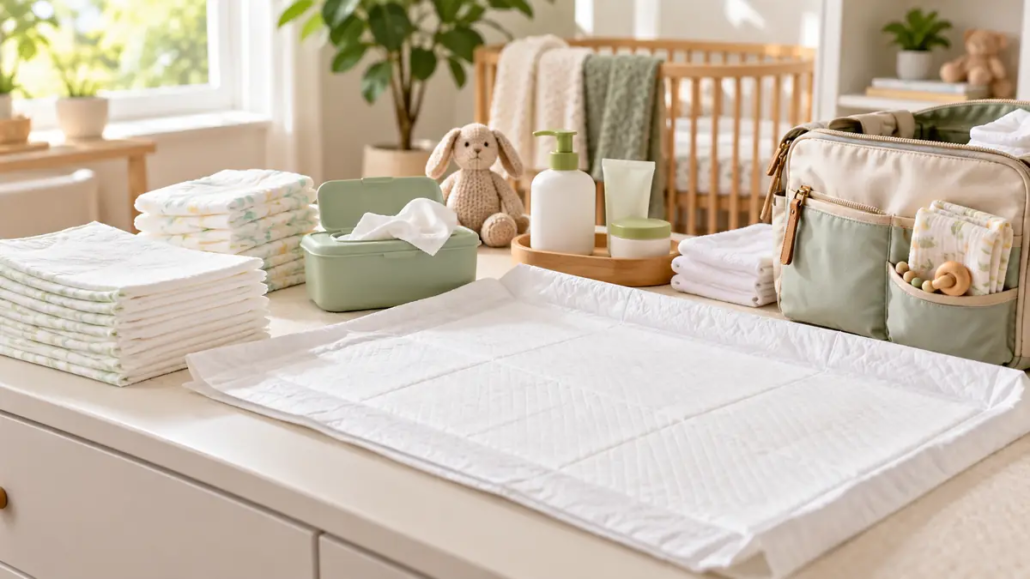
KidEasy Disposable Changing Pads are designed for everyday surface protection at home and on the go. They are soft, clean, and leak-resistant, with two size options: 0-6 Months with 60 pads at 13 x 18 inches / 33 x 45 cm, and All Ages with 40 pads at 22 x 18 inches / 55 x 45 cm.
Where Parents Use Disposable Changing Pads Most
1. Nursery changing tables
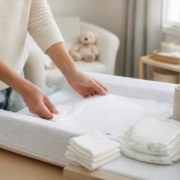
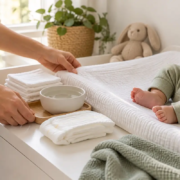
The changing table is the easiest place to keep a stack ready. A disposable pad can help protect the table cover during messy changes, quick changes after a nap, or changes when laundry is already full. It also makes cleanup feel simpler because the top layer can be removed after use.
2. Beds during overnight changes
Overnight changes are often quiet, dim, and rushed. A disposable changing pad can help protect a bed or guest bed when parents want to keep the change close by without moving through the house. Keep the setup simple: pad first, fresh diaper nearby, wipes within reach, then diaper fresh.
3. Couches and living-room changes
Many families change diapers where daily life is already happening. A couch, floor mat, or living-room surface may be convenient, especially with a newborn or during busy mornings. A disposable pad gives parents a clean layer and helps contain everyday messes before they reach the furniture.
4. Public washroom changing stations
Public changing stations are useful, but parents may still prefer to add their own layer. A disposable changing pad creates a familiar surface in a shared space, then can be wrapped or disposed of according to the location’s waste rules after the change.
5. Car changes
Car changes happen during road trips, daycare pickups, parking-lot stops, and moments when a public washroom is not practical. A changing pad can help protect the seat, trunk area, or a flat travel surface. Keep one or two pads in the diaper bag and a small backup stack in the car if your family is often on the go.
6. Stroller areas and outdoor stops
Outdoor changes are not always predictable. A disposable pad can help when parents need a clean layer near a stroller, picnic blanket, or travel mat. Choose a flat, stable surface, keep one hand on your baby, and follow safe changing habits wherever you are.
7. Daycare and caregiver bags
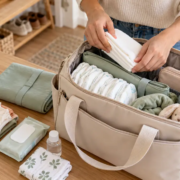
For daycare or caregiver drop-off, disposable pads are easy to pack and easy to count. They can help keep the changing routine consistent across home and care settings, especially when each family supplies its own diaper-change items.
8. Travel, hotels, and family visits
Travel changes often happen on unfamiliar surfaces. A disposable changing pad can be useful in hotel rooms, guest bedrooms, airport washrooms, rest stops, and relatives’ homes. It gives parents one familiar part of the routine, even when the rest of the setup changes.
A Simple Surface-Protection Checklist
Before a diaper change starts, use this quick checklist to keep the routine calm and practical.
- Choose a flat, stable surface and keep one hand on your baby.
- Place a disposable changing pad before setting your baby down.
- Keep diapers, wipes, and any cream your family uses within reach.
- Clean gently with your preferred gentle wipe, clean water, or a dry cotton wipe dampened with water.
- Use a dry cotton wipe to gently pat or absorb leftover moisture before the fresh diaper goes on.
- Wrap up used items and dispose of them according to local rules.
- Clean your hands before and after the change whenever possible.
How To Pair Changing Pads With the Dry Step
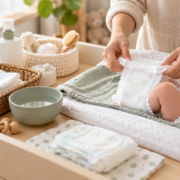
Disposable changing pads support the surface-protection side of a diaper change. KidEasy Dry Baby Wipes support the skin-care side of the routine. They are soft, absorbent 100% pure cotton wipes that can be used dry or dampened with water.
After cleaning, parents can use a dry KidEasy wipe to gently pat and help absorb leftover moisture before putting on a fresh diaper. That dry step is routine-based care. It is not a medical treatment or a promise to prevent irritation, but it can help parents build a cleaner, gentler diaper-change habit.
Choosing the Right Pad Size
KidEasy offers two disposable changing pad options so parents can match the size to the situation.
- 0-6 Months: 60 pads, 13 x 18 inches / 33 x 45 cm, useful for smaller babies, diaper bags, quick changes, and compact surfaces.
- All Ages: 40 pads, 22 x 18 inches / 55 x 45 cm, useful when parents want more coverage at home, during travel, or on larger changing surfaces.
Many families keep the larger size at home and the smaller size in a diaper bag, car kit, or daycare supply pouch. The best choice is the one that fits your space, your baby, and your routine.
FAQ
Are disposable changing pads only for public washrooms?
No. Public washrooms are a common use, but parents also use disposable changing pads on nursery changing tables, beds, couches, car interiors, daycare spaces, stroller areas, and travel surfaces.
Can disposable changing pads replace safe changing habits?
No. A changing pad is a helpful surface layer, but parents should still choose a flat, stable surface, keep one hand on the baby, keep supplies within reach, and follow product instructions.
What should I keep with changing pads in a diaper bag?
Pack fresh diapers, dry baby wipes, your preferred cleaning wipes or clean water, disposal bags, spare clothes, and any skin-care product your family uses. The goal is to protect the surface, clean gently, add a dry step, and diaper fresh.
Soft KidEasy CTA
For a cleaner, easier routine at home and away, pair KidEasy Disposable Changing Pads with KidEasy Dry Baby Wipes 100 Pcs. Together, they support the KidEasy Clean Change Routine: protect the surface, clean gently, add a dry step, then diaper fresh.
Sources and Notes
Product facts and routine language are based on approved KidEasy source materials and product pages. General diaper-care guidance about gentle cleaning, keeping the diaper area clean and dry, and speaking with a qualified healthcare professional for severe, recurring, bleeding, blistering, infected-looking, painful, fever-related, or persistent rash concerns is supported by parent education from HealthyChildren.org, the American Academy of Dermatology, and Mayo Clinic.
Claim-Safety Check
KidEasy Disposable Changing Pads are framed as soft, clean, leak-resistant surface protection for diaper changes. KidEasy Dry Baby Wipes are framed as soft 100% cotton wipes for flexible wet-or-dry use and for helping absorb leftover moisture during a routine. The article avoids claims that KidEasy products prevent, treat, cure, stop, or clinically resolve diaper rash, irritation, allergies, or any medical issue.
Disclaimer: This content is provided for general informational purposes only and is not a substitute for professional medical advice. Always consult a qualified healthcare professional and follow product instructions, warnings, and age recommendations. KidEasy and GloCommerce Inc. are not responsible for any loss or injury resulting from reliance on this content, to the extent permitted by law

 KIDEASY

