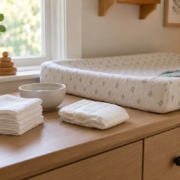
Water-Only Baby Wipes: How Dry Cotton Wipes Give Parents More Control
A practical guide to using dry cotton wipes with water, including a simple diaper-change checklist and tips for home and outings.
A practical guide to using dry cotton wipes with water, including a simple diaper-change checklist and tips for home and outings.
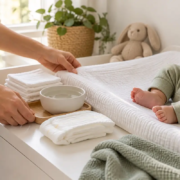
A simple, repeatable diaper-change routine for parents who want a gentler approach to everyday baby care.
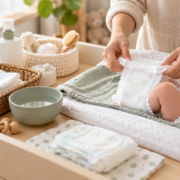
Quick answer: A simple newborn diaper change routine starts with a clean, stable surface, gentle cleaning, a short dry step to absorb leftover moisture, and a fresh diaper. Keep supplies close, move calmly, and ask a qualified healthcare professional if you notice severe, recurring, bleeding, blistering, infected-looking, painful, fever-related, or persistent rash concerns.
Newborn diaper changes can feel constant in the early weeks. Some are quick and sleepy. Others happen right after feeding, during travel, or when everyone is already tired. A repeatable routine helps parents move through the change without overthinking every step.
The KidEasy Clean Change Routine keeps the order simple: protect the surface, clean gently, add a dry step, then diaper fresh. For newborns, the goal is not a complicated skin-care ritual. It is a calm, practical routine that supports everyday baby care.
Newborn skin is delicate, and newborn diaper changes happen many times a day. Parents do not need a long checklist for every change, but they do need a routine that is easy to repeat when they are sleep-deprived.
A good newborn diaper change routine should help parents do four things well:
Choose a flat, stable changing surface and keep one hand on your baby throughout the change. If you are using a changing table, bed, couch, travel surface, or public changing station, place a clean layer down first.
KidEasy Disposable Changing Pads are designed to give parents a soft, clean, leak-resistant surface for diaper changes at home, daycare, travel, and public washrooms. They support the surface-protection step in the Clean Change Routine.
Before opening the diaper, gather what you need: a fresh diaper, wipes, clean water if you use it, any skin-care product recommended for your baby, a disposal bag or bin, and a change of clothes if the diaper is messy.
For newborns, keeping the routine small helps. A stocked basket beside the change area can prevent mid-change scrambling, especially during night changes.
Open the diaper and clean the diaper area with a soft, gentle approach. Depending on your routine, you may use clean water, a gentle wipe, or a dry cotton wipe dampened with water. Avoid scrubbing. Patting or wiping softly is usually kinder to delicate skin.
KidEasy Dry Baby Wipes 100 Pcs are made with 100% pure cotton and can be used dry or dampened with water. They are fragrance-free and made without added lotion, alcohol, parabens, sulfates, chlorine, phenoxyethanol, oxyethylene, or fluorescent brighteners.
After cleaning, use a dry cotton wipe to gently pat and help absorb leftover moisture before fastening the fresh diaper. This is the dry step: clean gently, gently dry, then diaper fresh.
The dry step is routine-based care. It should not be treated as a medical treatment or a promise to prevent irritation, but it can help parents build a cleaner, gentler diaper-change habit that is easy to repeat.
Slide the fresh diaper under your baby, fasten it comfortably, and check that it is not too tight around the belly or legs. A snug fit helps contain messes, but there should still be enough room for comfort.
Once the diaper is secure, remove the used items, clean your hands, and restock anything you used so the next change is easier.
Use this quick checklist when you want a calm, repeatable flow.
Newborn changes outside the nursery are easier when the diaper bag is simple and predictable. Pack enough for a few changes, then add a small buffer for delays.
For home stock-ups, KidEasy Dry Baby Wipes 600 Pcs can support everyday changes, feeding cleanup, drool, hands, face, nursing time, travel, and diaper-bag use.
Many diaper-area skin concerns are common, but parents should not feel they have to guess. Speak with a pediatrician or qualified healthcare professional if a rash is severe, recurring, bleeding, blistering, infected-looking, especially painful, comes with a fever, or does not improve with routine care.
Also ask for advice if you are unsure which products are appropriate for your newborn, if your baby has known skin sensitivities, or if a rash appears after every exposure to a specific product.
Yes. Dry cotton wipes can be used dry to help absorb leftover moisture after cleaning, or dampened with water when parents want a simple wet wipe. Always use a gentle touch and follow product instructions.
The dry step is a simple habit parents can use when there is leftover moisture after cleaning. It is not a treatment, but it can support a cleaner, gentler routine before the fresh diaper goes on.
Yes. Disposable changing pads are helpful at home as well as on the go. Parents use them on changing tables, beds, couches, daycare surfaces, car interiors, travel stops, and public washroom changing stations.
To make newborn changes feel calmer and more prepared, pair KidEasy Disposable Changing Pads with KidEasy Dry Baby Wipes 100 Pcs. Together, they support the KidEasy Clean Change Routine: protect the surface, clean gently, add a dry step, then diaper fresh.
Product facts and routine language are based on approved KidEasy source materials and product pages. General diaper-care guidance about frequent changes, gentle cleaning, moisture, air drying, and when to speak with a qualified healthcare professional is supported by parent education from HealthyChildren.org, the American Academy of Dermatology, and Mayo Clinic.
KidEasy Disposable Changing Pads are framed as surface-protection support for diaper changes. KidEasy Dry Baby Wipes are framed as soft 100% cotton wipes for flexible wet-or-dry use and for helping absorb leftover moisture during a routine. The article avoids claims that KidEasy products prevent, treat, cure, stop, or clinically resolve diaper rash, irritation, allergies, or any medical issue.
Disclaimer: This content is provided for general informational purposes only and is not a substitute for professional medical advice. Always consult a qualified healthcare professional and follow product instructions, warnings, and age recommendations. KidEasy and GloCommerce Inc. are not responsible for any loss or injury resulting from reliance on this content, to the extent permitted by law
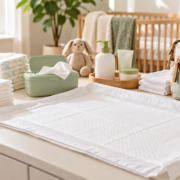
Quick answer: Parents use disposable changing pads anywhere they want a soft, clean layer between their baby and the changing surface. The most common places include nursery changing tables, beds, couches, daycare spaces, car interiors, stroller areas, travel stops, and public washroom changing stations.
Diaper changes happen in real life, not just in a perfectly stocked nursery. A baby may need a change during errands, before daycare pickup, in the car, while visiting family, or on a surface that is clean enough for adults but not ideal for a diaper change. Disposable changing pads give parents a simple way to protect the surface and create a more organized start to the routine.
A changing pad does one clear job: it helps create a clean layer before the diaper change begins. In the KidEasy Clean Change Routine, that is the first step: protect the surface, then clean gently, add a dry step, and diaper fresh.
KidEasy Disposable Changing Pads are designed for everyday surface protection at home and on the go. They are soft, clean, and leak-resistant, with two size options: 0-6 Months with 60 pads at 13 x 18 inches / 33 x 45 cm, and All Ages with 40 pads at 22 x 18 inches / 55 x 45 cm.
The changing table is the easiest place to keep a stack ready. A disposable pad can help protect the table cover during messy changes, quick changes after a nap, or changes when laundry is already full. It also makes cleanup feel simpler because the top layer can be removed after use.
Overnight changes are often quiet, dim, and rushed. A disposable changing pad can help protect a bed or guest bed when parents want to keep the change close by without moving through the house. Keep the setup simple: pad first, fresh diaper nearby, wipes within reach, then diaper fresh.
Many families change diapers where daily life is already happening. A couch, floor mat, or living-room surface may be convenient, especially with a newborn or during busy mornings. A disposable pad gives parents a clean layer and helps contain everyday messes before they reach the furniture.
Public changing stations are useful, but parents may still prefer to add their own layer. A disposable changing pad creates a familiar surface in a shared space, then can be wrapped or disposed of according to the location’s waste rules after the change.
Car changes happen during road trips, daycare pickups, parking-lot stops, and moments when a public washroom is not practical. A changing pad can help protect the seat, trunk area, or a flat travel surface. Keep one or two pads in the diaper bag and a small backup stack in the car if your family is often on the go.
Outdoor changes are not always predictable. A disposable pad can help when parents need a clean layer near a stroller, picnic blanket, or travel mat. Choose a flat, stable surface, keep one hand on your baby, and follow safe changing habits wherever you are.
For daycare or caregiver drop-off, disposable pads are easy to pack and easy to count. They can help keep the changing routine consistent across home and care settings, especially when each family supplies its own diaper-change items.
Travel changes often happen on unfamiliar surfaces. A disposable changing pad can be useful in hotel rooms, guest bedrooms, airport washrooms, rest stops, and relatives’ homes. It gives parents one familiar part of the routine, even when the rest of the setup changes.
Before a diaper change starts, use this quick checklist to keep the routine calm and practical.
Disposable changing pads support the surface-protection side of a diaper change. KidEasy Dry Baby Wipes support the skin-care side of the routine. They are soft, absorbent 100% pure cotton wipes that can be used dry or dampened with water.
After cleaning, parents can use a dry KidEasy wipe to gently pat and help absorb leftover moisture before putting on a fresh diaper. That dry step is routine-based care. It is not a medical treatment or a promise to prevent irritation, but it can help parents build a cleaner, gentler diaper-change habit.
KidEasy offers two disposable changing pad options so parents can match the size to the situation.
Many families keep the larger size at home and the smaller size in a diaper bag, car kit, or daycare supply pouch. The best choice is the one that fits your space, your baby, and your routine.
No. Public washrooms are a common use, but parents also use disposable changing pads on nursery changing tables, beds, couches, car interiors, daycare spaces, stroller areas, and travel surfaces.
No. A changing pad is a helpful surface layer, but parents should still choose a flat, stable surface, keep one hand on the baby, keep supplies within reach, and follow product instructions.
Pack fresh diapers, dry baby wipes, your preferred cleaning wipes or clean water, disposal bags, spare clothes, and any skin-care product your family uses. The goal is to protect the surface, clean gently, add a dry step, and diaper fresh.
For a cleaner, easier routine at home and away, pair KidEasy Disposable Changing Pads with KidEasy Dry Baby Wipes 100 Pcs. Together, they support the KidEasy Clean Change Routine: protect the surface, clean gently, add a dry step, then diaper fresh.
Product facts and routine language are based on approved KidEasy source materials and product pages. General diaper-care guidance about gentle cleaning, keeping the diaper area clean and dry, and speaking with a qualified healthcare professional for severe, recurring, bleeding, blistering, infected-looking, painful, fever-related, or persistent rash concerns is supported by parent education from HealthyChildren.org, the American Academy of Dermatology, and Mayo Clinic.
KidEasy Disposable Changing Pads are framed as soft, clean, leak-resistant surface protection for diaper changes. KidEasy Dry Baby Wipes are framed as soft 100% cotton wipes for flexible wet-or-dry use and for helping absorb leftover moisture during a routine. The article avoids claims that KidEasy products prevent, treat, cure, stop, or clinically resolve diaper rash, irritation, allergies, or any medical issue.
Disclaimer: This content is provided for general informational purposes only and is not a substitute for professional medical advice. Always consult a qualified healthcare professional and follow product instructions, warnings, and age recommendations. KidEasy and GloCommerce Inc. are not responsible for any loss or injury resulting from reliance on this content, to the extent permitted by law
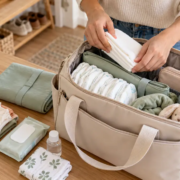
Quick answer: A cleaner-change diaper bag should help parents protect the surface, clean gently, add a dry step, diaper fresh, and contain the mess afterward. Pack diapers, wipes, a changing pad, dry cotton wipes, spare clothes, disposal bags, and a few backup essentials so each outing feels easier to manage.
Diaper changes away from home are rarely perfect. The surface may be small, the timing may be rushed, and the next clean sink may not be close. A well-packed diaper bag gives parents a simple routine they can repeat in the car, at daycare, during travel, or in a public washroom.
The easiest way to pack is to think through the diaper change from beginning to end. The KidEasy Clean Change Routine gives parents a simple order: protect the surface, clean gently, add a dry step, then diaper fresh.
That routine works well for diaper bags because every item has a job. You are not packing for every possible parenting moment. You are packing for the few steps that make a change feel calmer, cleaner, and more organized.
Pack enough diapers for the outing, then add one extra if you have room. For longer travel days, daycare drop-offs, or appointments that may run late, a small backup stack can save a lot of stress.
A changing pad helps create a cleaner surface before you set your baby down. KidEasy Disposable Changing Pads are made for surface protection at home and on the go, including public washrooms, daycare spaces, car interiors, stroller areas, beds, and couches.
Parents can use their preferred gentle wipe, clean water, or a dry cotton wipe dampened with water. During any diaper change, keep the motion soft and avoid scrubbing.
KidEasy Dry Baby Wipes are soft, absorbent 100% pure cotton wipes that parents can use dry or dampened with water. In a diaper bag, they are especially useful for gently patting away leftover moisture after cleaning, as well as drool, feeding cleanup, hands, face, nursing time, and everyday baby messes.
Small disposal bags help contain used diapers, wipes, and changing pads until you reach a bin. They are also helpful for soiled clothes or damp items that need to be separated from the rest of the bag.
A simple spare outfit can make messy changes much easier. Choose clothes that are easy to fold, easy to wash, and practical for the season.
Pack the hand-cleaning products your family uses and follow the product label. If you are changing in public, clean your hands before and after the change whenever possible.
If your baby uses diaper cream or another skin-care product, keep a small travel-size version in the bag and follow the product instructions. For rash, irritation, or recurring skin concerns, follow guidance from a qualified healthcare professional.
Instead of letting everything float loose, group your diaper-change items into one small pouch or pocket. That way, you can reach for one section of the bag when a change starts.
This setup is useful because diaper changes often happen with one hand busy. The goal is not a perfect bag. The goal is a bag that helps you find what you need quickly.
KidEasy products support two practical parts of the outing routine. Disposable Changing Pads help protect the surface before the change begins. KidEasy Dry Baby Wipes help parents add a gentle dry step after cleaning, or create a simple damp wipe by adding water when they want one.
For diaper bags, the 100 Pcs Single Pack is a practical size for first-time use, daycare, the car, travel, or a backup pouch. For home routines and restocking, the 600 Pcs Value Pack gives families a larger supply.
A diaper bag is easiest to maintain when parents restock it after each outing, before the next rushed moment begins.
General diaper-care guidance encourages parents to change wet or soiled diapers promptly, clean gently, keep the diaper area clean and dry, and avoid harsh rubbing. Talk with a pediatrician or qualified healthcare professional if a rash is severe, recurring, bleeding, blistering, infected-looking, painful, paired with fever, or not improving.
KidEasy products can support a cleaner, gentler diaper-change routine, but they should not be used as a substitute for medical advice or as a treatment for diaper rash or irritation.
Pack for the length of the outing, then add one extra if space allows. Longer trips, daycare days, and appointments often need more backup than a quick errand.
Yes. Dry baby wipes are useful because they can be used dry, dampened with water, or used after cleaning to help absorb leftover moisture. They can also help with drool, feeding cleanup, hands, face, and other everyday messes.
A changing pad is a practical way to create a clean layer between your baby and the changing surface. Disposable pads can be especially helpful in public washrooms, car changes, travel, daycare spaces, and other shared areas.
To make on-the-go changes feel easier to repeat, build your diaper bag around the KidEasy Clean Change Routine: protect the surface, clean gently, add a dry step, then diaper fresh. Pair Disposable Changing Pads with KidEasy Dry Baby Wipes 100 Pcs for a practical travel, daycare, or diaper-bag setup.
Product facts and routine language are based on approved KidEasy source materials and product pages. General diaper-care guidance is supported by parent education from HealthyChildren.org, the American Academy of Dermatology, and Mayo Clinic. This article does not claim that KidEasy products prevent, treat, cure, stop, or clinically resolve diaper rash or any medical issue.
KidEasy Disposable Changing Pads are framed as surface-protection support for diaper changes. KidEasy Dry Baby Wipes are framed as soft 100% cotton wipes for flexible wet-or-dry use and for helping absorb leftover moisture during a routine. Nurturing Rash Resilience is treated as routine-based education, not a medical promise. The article avoids prevention, treatment, cure, allergy, and clinical-proof claims.
Disclaimer: This content is provided for general informational purposes only and is not a substitute for professional medical advice. Always consult a qualified healthcare professional and follow product instructions, warnings, and age recommendations. KidEasy and GloCommerce Inc. are not responsible for any loss or injury resulting from reliance on this content, to the extent permitted by law
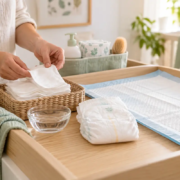
Quick answer: Wet wipes are useful when parents need ready-to-use cleaning during a diaper change. Dry baby wipes are useful when parents want a soft cotton wipe that can be used dry, dampened with water, or used after cleaning to gently absorb leftover moisture before the fresh diaper goes on.
Parents do not have to choose one wipe for every moment. Many families keep both wet wipes and dry cotton wipes nearby because each one solves a different part of the routine. The goal is simple: clean gently, manage leftover moisture, and make diaper changes easier to repeat at home, daycare, and on the go.
Wet wipes usually come pre-moistened and ready for cleanup. They can be convenient for bigger messes, quick diaper changes, and situations where parents do not have water within reach.
Dry baby wipes are not pre-moistened. KidEasy Dry Baby Wipes are soft, absorbent 100% pure cotton wipes that parents can use dry or dampen with water. That flexibility makes them helpful for diaper changes, sensitive-skin routines, drool, feeding cleanup, hands, face, nursing time, travel, and everyday baby messes.
Wet wipes can be practical when a change is messy, urgent, or happening away from a sink. They are often the fastest option when parents need a wipe that is already damp and ready to clean.
For many families, wet wipes are part of the first cleaning step. The key is to use a gentle motion, avoid scrubbing, and pay attention to how your baby’s skin responds. If skin looks irritated, follow your healthcare professional’s guidance and choose products carefully.
Dry baby wipes are useful when parents want more control over moisture and ingredients. Because they start dry, parents can use them as-is for the dry step, or add water to create a simple damp wipe when they want one.
The dry step fits naturally into the KidEasy Clean Change Routine: protect the surface, clean gently, add a dry step, then diaper fresh. After cleaning with a wet wipe or water, a dry cotton wipe can help absorb leftover moisture with a soft patting motion.
| Parent moment | Wet wipes may help when… | Dry baby wipes may help when… |
|---|---|---|
| Messy diaper change | You need a ready-to-use cleaning wipe. | You want to pat away leftover moisture after cleaning. |
| Water-only routine | You may not need a pre-moistened wipe. | You want to dampen a cotton wipe with water. |
| Diaper bag | You want a quick wipe for travel changes. | You want a dry, versatile wipe for diaper changes, drool, meals, and hands. |
| Sensitive-skin routine | You use a wet wipe that suits your baby and follow product instructions. | You want a fragrance-free cotton wipe with no added lotion, alcohol, parabens, sulfates, chlorine, phenoxyethanol, oxyethylene, or fluorescent brighteners. |
Place your baby on a clean changing surface. A KidEasy Disposable Changing Pad can help protect changing tables, beds, couches, car interiors, stroller areas, daycare spaces, and public washroom changing stations from everyday messes.
Use your preferred wet wipe, clean water, or a KidEasy Dry Baby Wipe dampened with water. Keep the motion soft and avoid rubbing or scrubbing.
Use a fresh dry cotton wipe to gently pat and help absorb leftover moisture. This is a routine step, not a medical treatment or diaper-rash claim.
Fasten the fresh diaper once the area is clean and gently patted. If you use diaper cream or another skin-care product, follow the label directions and your healthcare professional’s advice.
For a diaper bag, daycare cubby, car, or first try, the KidEasy Dry Baby Wipes 100 Pcs Single Pack is a practical option. For home, nursery, repeat changes, or stocking up, the 600 Pcs Value Pack gives parents a larger everyday supply.
Both options use the same core wipe: soft 100% pure cotton, large 7.87 x 7.87 inch size, fragrance-free, and made to be used dry or dampened with water.
General diaper-care guidance encourages parents to keep the diaper area clean and dry, change wet or soiled diapers promptly, clean gently, and avoid harsh rubbing. Talk with a pediatrician or qualified healthcare professional if a rash is severe, recurring, bleeding, blistering, infected-looking, painful, paired with fever, or not improving.
Dry baby wipes can support a cleaner, gentler routine, but they should not be used as a substitute for medical advice or as a treatment for diaper rash or irritation.
They are different tools. Wet wipes are convenient for ready-to-use cleaning. Dry baby wipes give parents more flexibility because they can be used dry, dampened with water, or used after cleaning to help absorb leftover moisture.
Yes. KidEasy Dry Baby Wipes can be used dry or dampened with water, depending on the moment and your family’s routine.
No. Dry baby wipes should not be described as preventing, treating, curing, or stopping diaper rash. They can help parents add a gentle dry step after cleaning as part of an everyday diaper-change routine.
To make diaper changes feel more organized, try the KidEasy Clean Change Routine: protect the surface, clean gently, add a dry step, then diaper fresh. Pair Disposable Changing Pads for surface protection with Dry Baby Wipes for flexible wet-or-dry use.
Product facts and routine language are based on approved KidEasy source materials and product pages. General diaper-care guidance is supported by parent education from HealthyChildren.org, the American Academy of Dermatology, and Mayo Clinic. This article does not claim that KidEasy products prevent, treat, cure, stop, or clinically resolve diaper rash or any medical issue.
KidEasy Dry Baby Wipes are framed as soft 100% cotton wipes for flexible wet-or-dry use and for helping absorb leftover moisture during a routine. Nurturing Rash Resilience is treated as routine-based education, not a medical promise. The article avoids prevention, treatment, cure, allergy, and clinical-proof claims.
Disclaimer: This content is provided for general informational purposes only and is not a substitute for professional medical advice. Always consult a qualified healthcare professional and follow product instructions, warnings, and age recommendations. KidEasy and GloCommerce Inc. are not responsible for any loss or injury resulting from reliance on this content, to the extent permitted by law
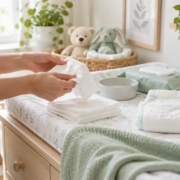
Quick answer: Parents add a dry step after wet wipes because the diaper area can still feel damp after cleaning. A soft dry cotton wipe can help absorb leftover moisture before the fresh diaper goes on, making the change feel cleaner, gentler, and more complete.
Wet wipes are convenient, especially when a diaper change is messy or rushed. But many parents notice one small gap in the routine: after cleaning, there may still be moisture left behind. The dry step is a simple habit that fits naturally into the KidEasy Clean Change Routine: protect the surface, clean gently, add a dry step, then diaper fresh.
The dry step means using a clean, dry wipe to gently pat the diaper area after cleaning and before fastening the fresh diaper. It is not a medical treatment, and it should not be framed as a way to prevent or cure diaper rash. It is simply a practical routine step for parents who want the area to feel cleaner and less damp after wiping.
KidEasy Dry Baby Wipes are made with 100% pure cotton and can be used dry or dampened with water. For the dry step, parents use them dry to help absorb leftover moisture with a soft patting motion.
General pediatric and dermatology guidance often emphasizes keeping the diaper area clean and dry, changing wet or soiled diapers promptly, cleaning gently, and avoiding rubbing or scrubbing. That does not mean a dry wipe replaces medical care, diaper creams, or professional advice when skin is irritated. It does explain why parents may want a calm, repeatable step that helps reduce leftover wetness after cleaning.
The dry step can be especially useful after a water-only clean, after a wet wipe, during overnight changes, or anytime a parent wants to make sure the area is gently patted before the diaper closes.
Before cleaning, place your baby on a clean changing surface. A KidEasy Disposable Changing Pad can help protect changing tables, beds, couches, car interiors, stroller areas, daycare surfaces, and public washroom changing stations from everyday messes.
Use your usual wet wipe, clean water, or a dry cotton wipe dampened with water. Keep the motion soft. If skin looks irritated, avoid scrubbing and follow guidance from your child’s healthcare professional.
Use a fresh dry wipe to gently pat and help absorb leftover moisture. Patting is the key word: the dry step should feel soft and light, not like extra rubbing.
Once the area is clean and gently patted dry, put on the fresh diaper and finish the change. If you use a barrier cream, follow the product directions and your healthcare professional’s advice.
Parents often add the dry step in ordinary moments, not only during big messes. It can help after a wet wipe leaves the skin feeling damp, after a water-only clean, before naps, during travel changes, or when a public changing station makes the whole routine feel less controlled.
For on-the-go routines, the KidEasy Dry Baby Wipes 100 Pcs Single Pack is a practical diaper-bag size. For home, nursery, or repeat use, the 600 Pcs Value Pack works well as an everyday stock-up option.
Some parents like dry baby wipes because they provide more control over what touches their baby’s skin. KidEasy Dry Baby Wipes are fragrance-free and made without added lotion, alcohol, parabens, sulfates, chlorine, phenoxyethanol, oxyethylene, or fluorescent brighteners. Parents can use them dry, or add water when they want a simple damp wipe.
This makes them useful beyond diaper changes too: drool, feeding cleanup, hands, face, runny noses, nursing time, travel, and everyday baby messes.
Talk with a pediatrician or qualified healthcare professional if a rash is severe, recurring, bleeding, blistering, infected-looking, painful, paired with fever, or not improving. General routines can support cleaner changes, but they are not a substitute for medical guidance.
Not every family will use the same routine every time. The dry step is an easy option when the area still feels damp after cleaning or when parents want a more complete clean-and-dry habit.
Yes. KidEasy Dry Baby Wipes can be used dry for the dry step or dampened with water when parents want a simple wet wipe.
No. The dry step is an everyday routine habit. It should not be used as a diaper-rash treatment or as a replacement for advice from a healthcare professional.
To make diaper changes feel cleaner and easier to repeat, start with the KidEasy Clean Change Routine. Pair Disposable Changing Pads for surface protection with Dry Baby Wipes for the gentle dry step.
Product facts and routine language are based on approved KidEasy source materials and product pages. General diaper-care guidance is supported by parent education from HealthyChildren.org, the American Academy of Dermatology, and Mayo Clinic. This article does not claim that KidEasy products prevent, treat, cure, stop, or clinically resolve diaper rash or any medical issue.
KidEasy Dry Baby Wipes are described as a soft cotton option that helps absorb leftover moisture during a routine. Nurturing Rash Resilience is treated as routine-based education, not a medical promise. The article avoids prevention, treatment, cure, allergy, and clinical-proof claims.
Disclaimer: This content is provided for general informational purposes only and is not a substitute for professional medical advice. Always consult a qualified healthcare professional and follow product instructions, warnings, and age recommendations. KidEasy and GloCommerce Inc. are not responsible for any loss or injury resulting from reliance on this content, to the extent permitted by law
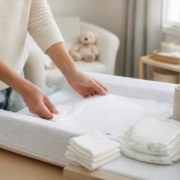
Quick answer: The KidEasy Clean Change Routine is a simple four-step diaper-change habit: protect the surface, clean gently, add a dry step, then diaper fresh. It helps parents make diaper changes feel cleaner, calmer, and more repeatable at home or on the go.
Diaper changes happen many times a day, often when everyone is tired, busy, or away from home. A clear routine can make the moment easier. The KidEasy Clean Change Routine gives parents a practical way to prepare the surface, clean with care, reduce leftover wetness after cleaning, and finish with a fresh diaper.
Before opening the diaper, place a clean barrier under your baby. A KidEasy Disposable Changing Pad can help protect changing tables, beds, couches, stroller areas, car interiors, daycare surfaces, and public washroom changing stations from everyday messes.
Choose the size that fits your routine: the 0-6 Months option includes 60 pads measuring 13 x 18 inches / 33 x 45 cm, while the All Ages option includes 40 pads measuring 22 x 18 inches / 55 x 45 cm.
Use clean water, a gentle wipe, or a KidEasy Dry Baby Wipe dampened with water. Keep the motion soft and avoid scrubbing. For many parents, a water-only wipe routine feels simple because they control what touches their baby’s skin.
After cleaning, use a dry KidEasy wipe to gently pat and help absorb leftover moisture before putting on the fresh diaper. This dry step is the heart of KidEasy’s routine-based message: Nurturing Rash Resilience. It means helping parents build a cleaner, gentler diaper-change routine, not promising to prevent or treat diaper rash.
Once the skin area is clean and gently patted dry, put on the fresh diaper and dispose of the used supplies according to your usual home, daycare, or travel routine.
After cleaning, the diaper area can still feel damp. A soft, dry cotton wipe gives parents a simple way to add one more careful step before closing the diaper. KidEasy Dry Baby Wipes are made with 100% pure cotton, are soft, strong, and absorbent, and can be used dry or dampened with water.
They are fragrance-free and made without added lotion, alcohol, parabens, sulfates, chlorine, phenoxyethanol, oxyethylene, or fluorescent brighteners. That makes them useful for parents who want a straightforward wipe for diaper changes, hands, face, drool, feeding cleanup, nursing time, travel, and diaper-bag use.
The Clean Change Routine is useful anywhere parents need a calm, repeatable setup: the nursery, daycare, grandparents’ homes, public washrooms, car trips, stroller outings, or quick changes during errands. For diaper bags, the 100 Pcs Dry Baby Wipes Single Pack works well as a smaller backup, while the 600 Pcs Value Pack is suited for everyday home stock-up.
General diaper-care habits can support a cleaner routine, but they are not a substitute for medical advice. Speak with a pediatrician or qualified healthcare professional if a rash is severe, recurring, bleeding, blistering, infected-looking, or not improving. Follow the instructions and warnings on diapers, wipes, creams, and baby-care products.
Yes. KidEasy Dry Baby Wipes can be used dry to help absorb leftover moisture, or dampened with water when parents want a simple wet wipe.
No. It is an everyday diaper-change routine. It focuses on a clean surface, gentle cleaning, a dry step, and a fresh diaper. It should not be treated as a diaper-rash treatment plan.
A practical diaper bag setup can include disposable changing pads, dry cotton wipes, clean diapers, a disposal bag, hand hygiene supplies, and backup clothing.
To build the routine at home or on the go, start with the KidEasy Clean Change Routine, then choose the supplies that fit your day: Disposable Changing Pads for surface protection and Dry Baby Wipes for the gentle dry step.
Product facts and routine language are based on approved KidEasy source materials and product pages. General diaper-rash and skin-care caution is supported by parent guidance from HealthyChildren.org, the American Academy of Dermatology, and Mayo Clinic. This article does not claim that KidEasy products prevent, treat, cure, stop, or clinically resolve diaper rash or any medical issue.
KidEasy products are described as supports for a cleaner, gentler diaper-change routine. The article uses careful language such as “helps absorb leftover moisture” and avoids treatment, prevention, cure, allergy, and clinical-proof claims.
Disclaimer: This content is provided for general informational purposes only and is not a substitute for professional medical advice. Always consult a qualified healthcare professional and follow product instructions, warnings, and age recommendations. KidEasy and GloCommerce Inc. are not responsible for any loss or injury resulting from reliance on this content, to the extent permitted by law