Newborn Diaper Change Routine: Clean, Gentle, Simple
Newborn Diaper Change Routine: Clean, Gentle, Simple
Quick answer: A simple newborn diaper change routine starts with a clean, stable surface, gentle cleaning, a short dry step to absorb leftover moisture, and a fresh diaper. Keep supplies close, move calmly, and ask a qualified healthcare professional if you notice severe, recurring, bleeding, blistering, infected-looking, painful, fever-related, or persistent rash concerns.
Newborn diaper changes can feel constant in the early weeks. Some are quick and sleepy. Others happen right after feeding, during travel, or when everyone is already tired. A repeatable routine helps parents move through the change without overthinking every step.
The KidEasy Clean Change Routine keeps the order simple: protect the surface, clean gently, add a dry step, then diaper fresh. For newborns, the goal is not a complicated skin-care ritual. It is a calm, practical routine that supports everyday baby care.
Why Newborn Diaper Changes Need a Simple Routine
Newborn skin is delicate, and newborn diaper changes happen many times a day. Parents do not need a long checklist for every change, but they do need a routine that is easy to repeat when they are sleep-deprived.
A good newborn diaper change routine should help parents do four things well:
- Create a clean layer before the change begins.
- Clean gently without scrubbing.
- Help absorb leftover moisture before closing the fresh diaper.
- Know when a skin concern needs professional advice.
The Clean, Gentle, Simple Newborn Routine
1. Set up a clean, stable surface
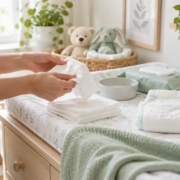
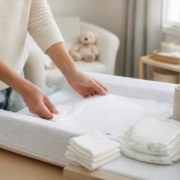
Choose a flat, stable changing surface and keep one hand on your baby throughout the change. If you are using a changing table, bed, couch, travel surface, or public changing station, place a clean layer down first.
KidEasy Disposable Changing Pads are designed to give parents a soft, clean, leak-resistant surface for diaper changes at home, daycare, travel, and public washrooms. They support the surface-protection step in the Clean Change Routine.
2. Keep supplies within reach
Before opening the diaper, gather what you need: a fresh diaper, wipes, clean water if you use it, any skin-care product recommended for your baby, a disposal bag or bin, and a change of clothes if the diaper is messy.
For newborns, keeping the routine small helps. A stocked basket beside the change area can prevent mid-change scrambling, especially during night changes.
3. Clean gently
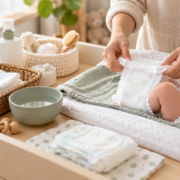
Open the diaper and clean the diaper area with a soft, gentle approach. Depending on your routine, you may use clean water, a gentle wipe, or a dry cotton wipe dampened with water. Avoid scrubbing. Patting or wiping softly is usually kinder to delicate skin.
KidEasy Dry Baby Wipes 100 Pcs are made with 100% pure cotton and can be used dry or dampened with water. They are fragrance-free and made without added lotion, alcohol, parabens, sulfates, chlorine, phenoxyethanol, oxyethylene, or fluorescent brighteners.
4. Add the dry step
After cleaning, use a dry cotton wipe to gently pat and help absorb leftover moisture before fastening the fresh diaper. This is the dry step: clean gently, gently dry, then diaper fresh.
The dry step is routine-based care. It should not be treated as a medical treatment or a promise to prevent irritation, but it can help parents build a cleaner, gentler diaper-change habit that is easy to repeat.
5. Diaper fresh and check fit
Slide the fresh diaper under your baby, fasten it comfortably, and check that it is not too tight around the belly or legs. A snug fit helps contain messes, but there should still be enough room for comfort.
Once the diaper is secure, remove the used items, clean your hands, and restock anything you used so the next change is easier.
Newborn Diaper Change Checklist
Use this quick checklist when you want a calm, repeatable flow.
- Choose a flat, stable surface and keep one hand on your baby.
- Place a clean changing layer before setting your baby down.
- Open the fresh diaper and keep wipes within reach.
- Clean gently with water, a gentle wipe, or a cotton wipe dampened with water.
- Use a dry cotton wipe to gently pat and absorb leftover moisture.
- Fasten the fresh diaper so it is secure but not tight.
- Wash or sanitize hands after the change when possible.
What To Pack for Newborn Changes Away From Home
Newborn changes outside the nursery are easier when the diaper bag is simple and predictable. Pack enough for a few changes, then add a small buffer for delays.
- Fresh newborn diapers.
- Dry cotton wipes that can be used dry or dampened with water.
- A small clean-water option if that fits your routine.
- Disposable changing pads for public or unfamiliar surfaces.
- A spare outfit and a small disposal bag.
- Any diaper cream or skin-care product your healthcare professional has recommended.
For home stock-ups, KidEasy Dry Baby Wipes 600 Pcs can support everyday changes, feeding cleanup, drool, hands, face, nursing time, travel, and diaper-bag use.
When To Ask a Healthcare Professional
Many diaper-area skin concerns are common, but parents should not feel they have to guess. Speak with a pediatrician or qualified healthcare professional if a rash is severe, recurring, bleeding, blistering, infected-looking, especially painful, comes with a fever, or does not improve with routine care.
Also ask for advice if you are unsure which products are appropriate for your newborn, if your baby has known skin sensitivities, or if a rash appears after every exposure to a specific product.
FAQ
Can I use dry baby wipes for a newborn diaper change?
Yes. Dry cotton wipes can be used dry to help absorb leftover moisture after cleaning, or dampened with water when parents want a simple wet wipe. Always use a gentle touch and follow product instructions.
Do newborns need a dry step after every change?
The dry step is a simple habit parents can use when there is leftover moisture after cleaning. It is not a treatment, but it can support a cleaner, gentler routine before the fresh diaper goes on.
Are disposable changing pads useful at home?
Yes. Disposable changing pads are helpful at home as well as on the go. Parents use them on changing tables, beds, couches, daycare surfaces, car interiors, travel stops, and public washroom changing stations.
Soft KidEasy CTA
To make newborn changes feel calmer and more prepared, pair KidEasy Disposable Changing Pads with KidEasy Dry Baby Wipes 100 Pcs. Together, they support the KidEasy Clean Change Routine: protect the surface, clean gently, add a dry step, then diaper fresh.
Sources and Notes
Product facts and routine language are based on approved KidEasy source materials and product pages. General diaper-care guidance about frequent changes, gentle cleaning, moisture, air drying, and when to speak with a qualified healthcare professional is supported by parent education from HealthyChildren.org, the American Academy of Dermatology, and Mayo Clinic.
Claim-Safety Check
KidEasy Disposable Changing Pads are framed as surface-protection support for diaper changes. KidEasy Dry Baby Wipes are framed as soft 100% cotton wipes for flexible wet-or-dry use and for helping absorb leftover moisture during a routine. The article avoids claims that KidEasy products prevent, treat, cure, stop, or clinically resolve diaper rash, irritation, allergies, or any medical issue.
Disclaimer: This content is provided for general informational purposes only and is not a substitute for professional medical advice. Always consult a qualified healthcare professional and follow product instructions, warnings, and age recommendations. KidEasy and GloCommerce Inc. are not responsible for any loss or injury resulting from reliance on this content, to the extent permitted by law